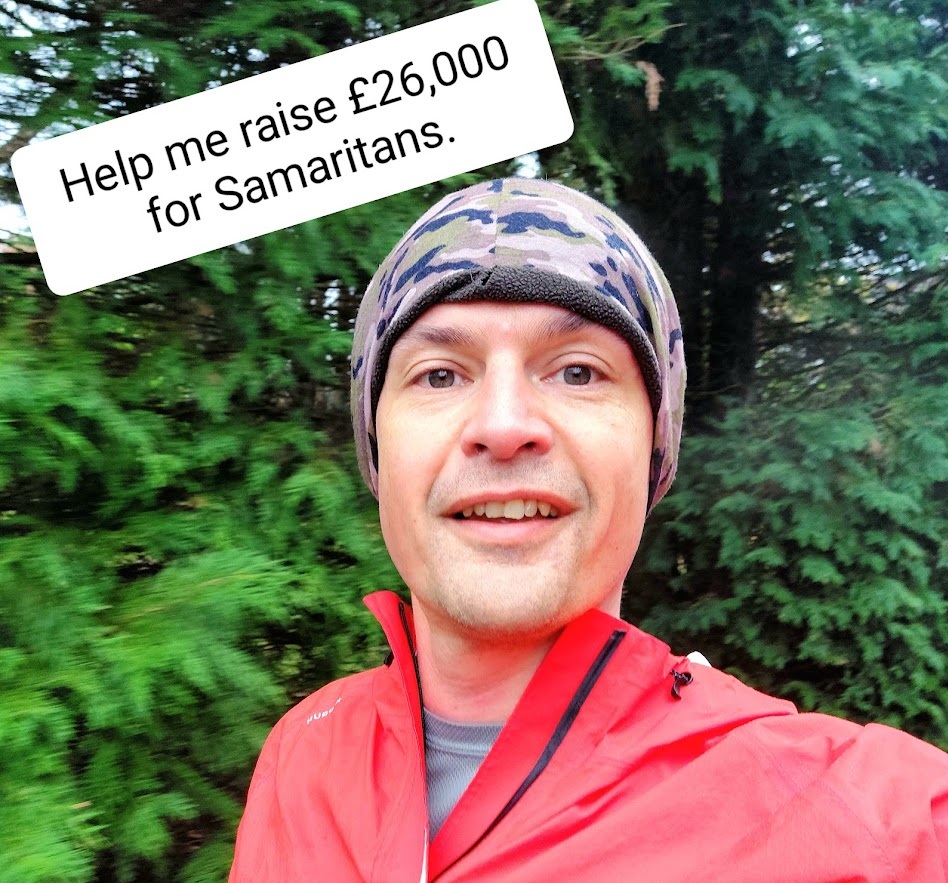
“I don’t know how you do it”, is often what people first say, followed by “What type of calls do you get?”, and that’s normally when I think hard before offering a reply, which is often:
Why wouldn’t you be a Samaritan?
Firstly:
- Not everyone calls to kill themselves.
- There are many dark moments, but also some laughs.
- The calls I’ve found difficult to forget have largely impacted me positively.
- The calls that upset me most stem from isolation.
- Many people are exploring suicide very seriously as a solution.
I knew that becoming a Samaritans volunteer would be challenging, and impact me far more than the few hours I dedicate a week, and I was right. Being a Samaritan volunteer can be tough, but probably not in the way you might expect.
Being a Samaritan is largely about a commitment to providing solace in times of need, and a dedication to reviving the lost art of listening. To simply listen, whilst offering no solution or advice, can be very difficult at first, especially in times of crisis, but by listening more deeply much more can be achieved. Sometimes we simply need to be heard and not offered chats, or ‘solutions’.
As Samaritans we receive the widest range of calls. From drunks and addicts, to the isolated, confused, frightened, bored, mentally ill and even randy (yes really), but sadly for some callers’ suicide is a real solution at that time and so sometimes we help them start the conversation with regards to suicide.
But just as in life, many situations are eased if you can just slow things down a little, listen more deeply, demonstrate patience, compassion and most of all understanding without prejudice.
It’s a fekkin crazy world out there!
Ironic that in a world where literally everything is connected, so few are able to truly connect.
Social media, fleeting texts, whatsapp messages and the occasional chat is a poor substitute to true connection, love and friendship and so the profound skill of listening seems to have dissipated, and I’m doing my bit to change that.
One of the greatest challenges Samaritans face, and something I’m keen to help address, is the prevalent societal discomfort surrounding discussions of death, loss, and active suicide. These are crucial conversations that need to happen and as Samaritans volunteers we’re trained not just to lend an ear but also to create a safe space where difficult topics can be openly discussed without fear or stigma and we understand that acknowledging these struggles doesn’t have to amplify the pain. Instead we offer a glimmer of hope and comfort by opening the conversation often not had before.
For sure some of the calls can be very difficult, and so our approach to supporting someone potentially facing the end of their life, whether due to illness, old age, or contemplating suicide, is rooted in dignity and respect for their wishes. Hundreds of volunteers like me are comprehensively trained and supported to navigate these conversations with utmost sensitivity, understanding, and without imposing our beliefs or passing judgements and we believe that being there for someone in their final moments, respecting their wishes and supporting their choices is an embodiment of compassion. That said, it doesn’t always come to this, and often the communication between a caller and the volunteer allows another destination to be found – and another day lived, simply by being able and willing to have the conversation others would not.
“One day at a time, one call at a time,
we can make a real difference.”
The art of listening, particularly in the realm of mental health and emotional well-being, is transformative and all Samaritans volunteers learn to listen not just to the words spoken, but also to the silence between those words. Much can be said with a moments silence or hesitation, and hidden in those moments, when the senses are heightened, plenty is said and heard. We try to grasp the importance of validating someone’s feelings, affirming their experiences, and fostering a sense of being heard and understood, which can be profoundly therapeutic. Volunteering with Samaritans, makes a difference to peoples lives, mine included, and by being present in the moment of other peoples lives during challenging times, I’m able to feel gratitude for my own.
As this is all done by phone there are also no visual or physical distractions – only sounds – it can be intense. It often is.
The training I’ve received imparts skills to manage conversations that range from distress and despair to those infused with hope and resilience, and the training is exceptional, as is the support and mentoring I’ve received thus far.
Fortunately I believe the impact of a Samaritans volunteer transcends statistics or metrics, although the numbers are quite scary.
At Samaritans we’re there not to make a sale, but to offer understanding and save lives, it sounds dramatic, because often it is.
For me Samaritans is about:
Human connection forged in the vulnerability of shared experiences.
Comfort felt by someone who finally finds a safe space to articulate their inner turmoil.
The relief of being heard without fear of judgment or condemnation.
And so far, I’ve found volunteering for Samaritans hugely rewarding.
Without getting all deep and emotional it, it’s not just about offering support, it’s about embracing the beauty of humanity in its most fragile state and rekindling the lost art of listening and providing a sanctuary for conversations that society often shies away from.
It’s a testament to those more experienced than I, that I, a mere Sales and Marketing suit of no note whatsoever, can be taught these skills, and that with encouragement I’ve been able to help people with empathy, dignity, and respect in the face of life’s most profound challenges.
Why be a Samaritan? – Why not?
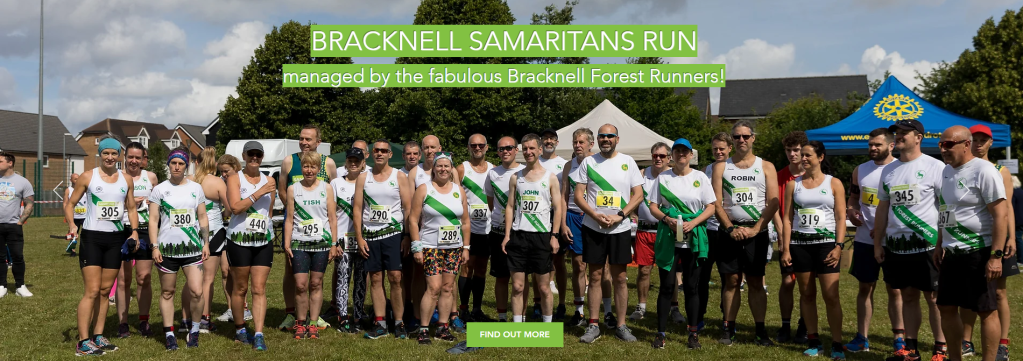
Please help me raise funds at the annual https://www.bracknellsamaritansrun.co.uk/ in June 24.

 camping jedi
Leave a comment